What happened
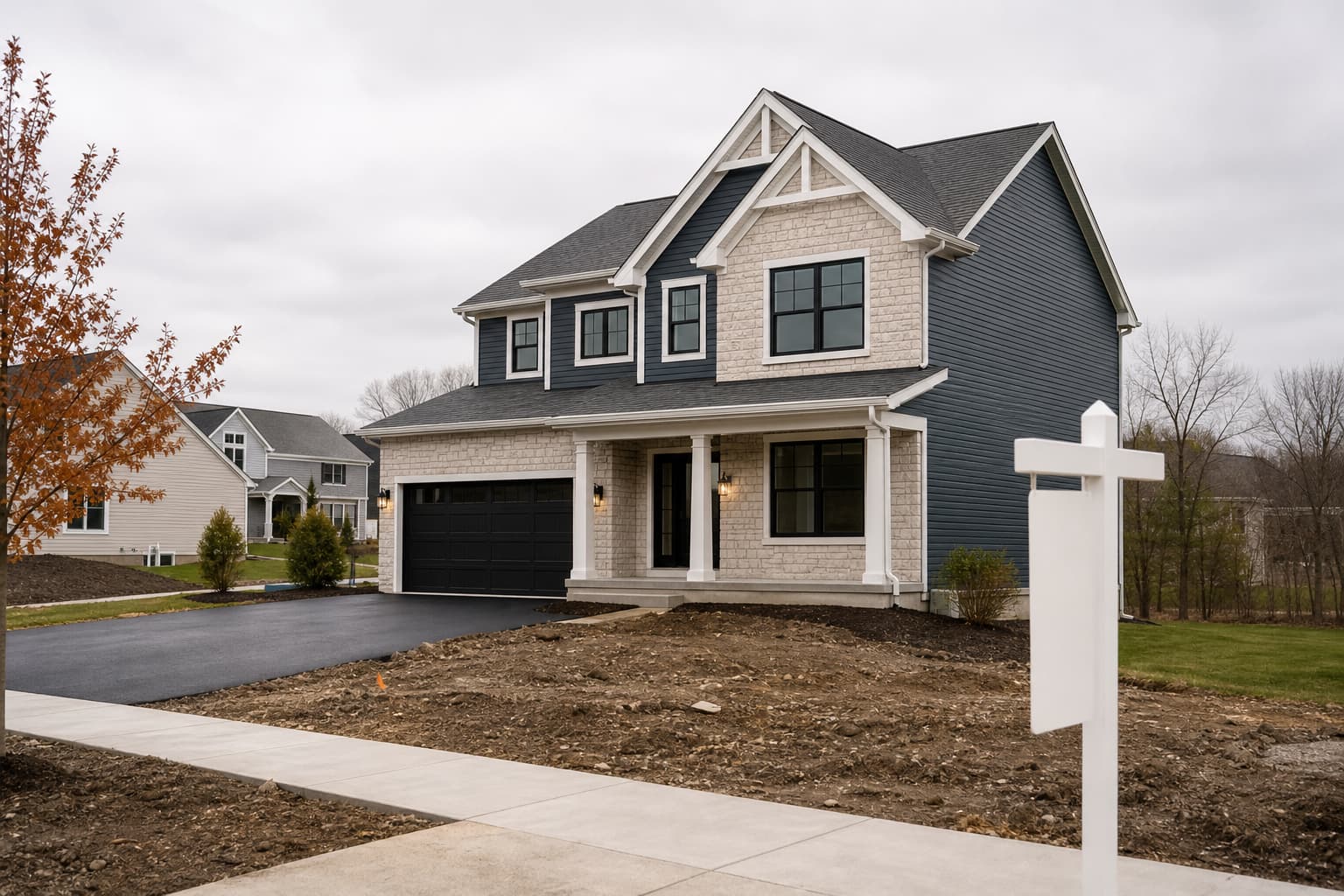
The latest official federal reading on new-home sales is still August, because the Census Bureau’s September New Residential Sales report is scheduled for October 27, 2026 [8]. In that August report, sales of newly built single-family homes ran at a seasonally adjusted annual rate of 684,000, up 6.4% from July but still 2.0% below August 2025 [1]. Inventory remained elevated at 483,000 new homes for sale, equal to 8.5 months of supply, while the median new-home sales price was $393,700 — down 5.8% from a year earlier [1].
That August bounce now has to be read against what happened in September: mortgage rates moved back above 7%, and forward-looking housing indicators softened. The Mortgage Bankers Association reported that September mortgage applications for new-home purchases fell 8.3% from a year earlier and 8% from August, while its model estimated new single-family home sales running at a 584,000 annual pace for September [2]. That is not the same as the Census count, but it is a timely signal that the August improvement may not have carried cleanly into early fall.
Why the new-home market matters to borrowers
New construction has been one of the few places where buyers have sometimes found flexibility in a high-rate market. Builders can adjust price, pay closing costs, offer upgrades, or provide financing incentives through preferred channels. But borrowers should be careful: a lower advertised payment, a temporary buydown, or a design-center credit are not interchangeable. The right comparison is total cost, cash to close, payment after any temporary buydown period, and whether the home’s price still makes sense relative to resale options nearby.
The national backdrop shows why this matters. Freddie Mac’s Primary Mortgage Market Survey put the average 30-year fixed mortgage at 7.32% for the week of October 22, down from 7.40% the prior week but still elevated enough to keep affordability tight [3]. Realtor.com’s September housing report said rates climbed above 7% and that 20.8% of listings had price reductions, the highest September share since 2018 [5]. In other words, builders are not the only sellers adjusting — resale sellers are starting to compete more directly on price, too.
Builders are leaning harder on incentives
Builder sentiment is also flashing caution. Mortgage News Daily reported that the NAHB/Wells Fargo Housing Market Index fell to 29 in October, its lowest level in 14 years, with prospective buyer traffic down sharply [4]. The same report said 43% of builders were cutting prices in October, with an average reduction of 6%, and 65% were offering sales incentives [4].
For a borrower, that can create negotiating room — but not a blank check. Builders may be more motivated on completed inventory than on homes that have not yet started. They may also prefer incentives that preserve the headline sales price, such as closing-cost credits or rate buydowns, rather than a direct price reduction. Before accepting an incentive package, compare it with an alternative offer that reduces the purchase price, and ask how long any payment benefit lasts.
Western New York context
Buffalo-area buyers are not in the same market as high-construction Sun Belt metros. Redfin’s September 2026 data still described Buffalo as “very competitive,” with homes selling in about 15 days, a median sale price around $233,000 over the prior three months, and sales prices averaging above list price [6]. That means new-construction incentives may be most relevant for borrowers looking at specific suburban developments, move-up homes, or buildable-lot communities rather than the typical city resale search.
Still, the national new-home story matters locally because it affects buyer expectations. If builders in other regions are offering concessions, Western New York shoppers may ask whether a seller credit, inspection flexibility, or a more realistic list price is possible on a resale home. The answer will depend heavily on neighborhood, condition, price point, and competition. In very tight pockets of Erie and Niagara counties, well-priced homes can still move quickly even while the national market slows.
Florida secondary-market note
Florida looks more balanced than Buffalo in many areas, but it is not one simple statewide market. Florida Realtors reported September existing single-family closed sales down 3.5% year over year, a statewide single-family median price of $415,000, and 4.4 months of single-family supply; condo-townhouse supply was higher at 7.7 months [7]. For borrowers comparing Western New York with a Florida purchase, that means the negotiation conversation may be different: insurance costs, condo reserves, HOA fees, and property taxes can matter as much as the purchase price or builder incentive.
What to watch next
The next key data point is the official September New Residential Sales release on October 27 [8]. If it confirms MBA’s softer application signal, expect more attention on completed new-home inventory, builder incentives, and whether rate volatility is delaying contracts. If the Census report is firmer than expected, the takeaway may be that incentives are still supporting demand even at higher rates.